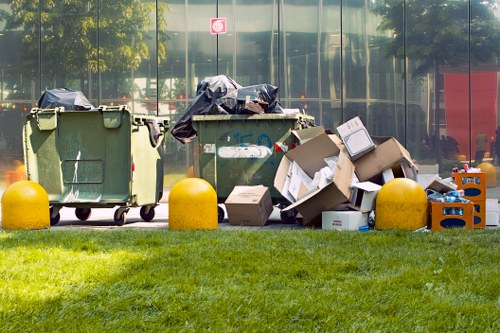
Recycling and Sustainability for House Clearance Reading
In Reading and surrounding boroughs, our approach to eco-friendly waste disposal area and sustainable rubbish area management is built around clear targets, local partnerships and practical action. This page explains how Reading house clearance services prioritise reuse, safe recycling and a low-carbon logistics chain while working with the boroughs' established waste separation systems.Our Recycling Percentage Target and Outcomes
We set a measurable target to drive continuous improvement: a minimum 70% recycling and reuse rate for all house clearance projects across the Reading area. This target covers materials redirected from landfill to recycling, donation or refurbishment. To reach it we track material flows, sort at source and use certified local transfer stations. Meeting a high recycling percentage target supports the wider goals of the Reading Borough approach to waste separation, which separates paper and card, plastics and cans, glass, garden waste and food waste into dedicated streams.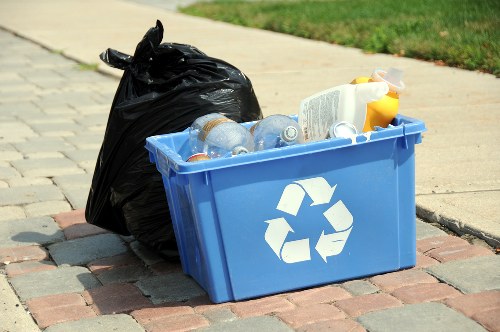
Local Transfer Stations and Recycling Activity
We use a network of authorised local transfer stations and recycling centres to ensure correct processing of collected materials. Typical locations we operate with include:- Reading Household Waste Recycling Centre (local transfer point for mixed recyclables)
- Berkshire area transfer stations for bulky waste and salvageable furniture
- Nearby borough centres handling hazardous and electrical waste streams
Partnerships with Charities and Community Reuse We prioritise reuse by working closely with national and local charities and community reuse schemes. Donatable items such as furniture, working appliances, clothing and books are offered to partners including national charities and local community groups. Where possible, items are collected, cleaned, and listed for resale or given to people in need. This reduces waste, supports community projects and increases the overall recycling percentage for every clearance.
 Low-Carbon Vans and Sustainable Transport
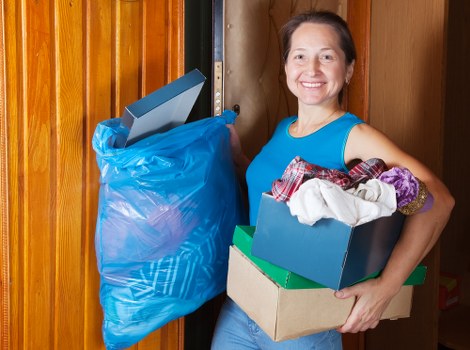
Our fleet is transitioning to low-emission vehicles to reduce the carbon footprint of rubbish removal. We operate a mix of electric vans and hybrids for shorter urban clearances and efficient diesel replacements for longer specialist movements, ensuring we use the lowest-carbon option appropriate for each job. Routing is optimised to reduce mileage between collection points and local transfer stations, and we schedule multi-drop runs to maximise vehicle utilisation. These measures support a lower-emission house clearance service for Reading, aligning with local sustainability goals.
Low-Carbon Vans and Sustainable Transport
Our fleet is transitioning to low-emission vehicles to reduce the carbon footprint of rubbish removal. We operate a mix of electric vans and hybrids for shorter urban clearances and efficient diesel replacements for longer specialist movements, ensuring we use the lowest-carbon option appropriate for each job. Routing is optimised to reduce mileage between collection points and local transfer stations, and we schedule multi-drop runs to maximise vehicle utilisation. These measures support a lower-emission house clearance service for Reading, aligning with local sustainability goals.
How Boroughs' Waste Separation Helps Reading and neighbouring boroughs provide clear guidance on kerbside and household waste separation; we mirror these systems during clearances. By pre-sorting items into paper/card, glass, plastic, metal, textiles and organic streams, we can deliver cleaner loads to local recycling centres. Special handling is applied to electronics and hazardous items — batteries, solvents and fluorescent tubes are segregated and processed through accredited channels.
To make the sustainable rubbish area concept practical at scale, we focus on circular outcomes: repair, reuse, recycle. Low-value materials are sent for material recycling (e.g., metals and timber), while higher-value goods are refurbished or handed over to charity partners. Reading house clearance teams also coordinate with community reuse centres that accept furniture, small household goods and working appliances for resale, reducing waste and supporting local employment and training initiatives.
 Specific Recycling Activities Relevant to the Area
Local recycling activity in the region reflects the borough approach to separation and includes:
Specific Recycling Activities Relevant to the Area
Local recycling activity in the region reflects the borough approach to separation and includes:
- Separate collections for dry recyclables (paper, card, plastics and cans)
- Garden waste and food waste streams for composting and anaerobic digestion
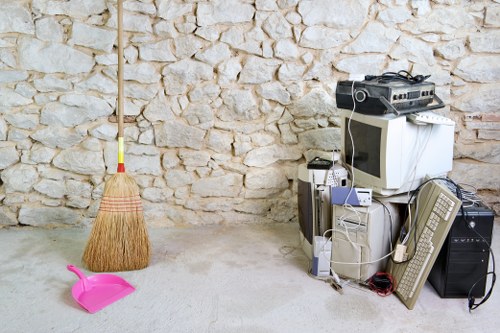
- WEEE recycling for TVs, fridges and other appliances
- Textile sorting for reuse or fibre recycling
- Bulky waste processing for timber recovery and metal reclamation
 Sustainable Rubbish Area Management and Community Benefits
Creating an effective sustainable rubbish area means more than recycling rates. It requires documentation, audit trails and partnerships that ensure items declared recycled or donated are actually processed as such. We maintain records of loads taken to transfer stations, donations to charities and destinations for specialist waste. By doing so we deliver transparency for our clients and contribute to borough-level waste reduction targets.
Sustainable Rubbish Area Management and Community Benefits
Creating an effective sustainable rubbish area means more than recycling rates. It requires documentation, audit trails and partnerships that ensure items declared recycled or donated are actually processed as such. We maintain records of loads taken to transfer stations, donations to charities and destinations for specialist waste. By doing so we deliver transparency for our clients and contribute to borough-level waste reduction targets.
What You Can Expect from Eco-Friendly House Clearances
When you request a Reading house clearance with an eco-focus, expect pre-collection sorting, prioritised recovery of reusable items, and transport using low-carbon vans where available. Our teams follow safe handling protocols for hazardous materials and ensure bulky items are dismantled and stored for optimal recycling. The combined effect helps us approach the recycling percentage target while fostering a cleaner, greener local environment.Commitment to Continuous Improvement We continue to refine our processes — increasing reuse partnerships, testing new electric vehicles and improving material segregation at source. That ongoing work aims to raise the recycled and reused proportion of cleared waste beyond our 70% baseline, contributing to resilient, sustainable rubbish areas across Reading and nearby boroughs.
Summary of priorities:
- Achieve and exceed a 70% recycling/reuse target for clearances
- Use authorised local transfer stations and specialist processors
- Maximise donations via charity partnerships and community reuse centres
- Operate low-carbon vans and optimise routing to reduce emissions
