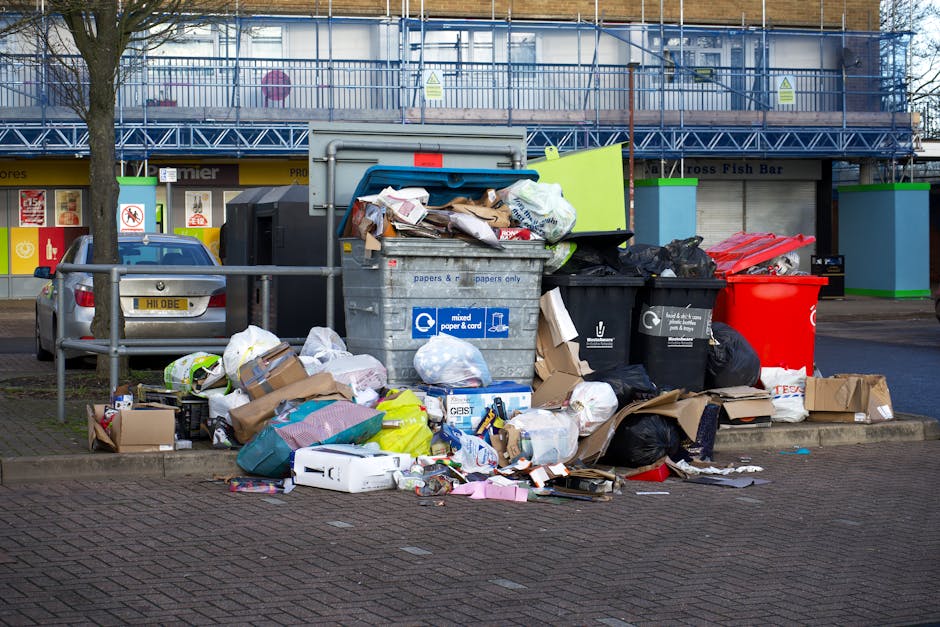
University of Reading student rubbish removal tips and services
If you've ever looked around a student room in Reading the week before a move-out and thought, where on earth did all this stuff come from?, you're not alone. Boxes, broken hangers, takeaway containers, old bedding, random cables, the chair that squeaks every time you sit down - it all adds up fast. That is where University of Reading student rubbish removal tips and services become genuinely useful. The right approach saves time, keeps halls or shared houses tidy, and helps you avoid the last-minute panic that always seems to hit on a rainy evening when the bins are already full.
This guide walks through how student rubbish removal works, what to do before term ends, how to separate what can be reused from what needs disposal, and how to choose a service that actually suits student life. It also covers practical checklists, common mistakes, and a realistic comparison of your options. In short: less chaos, fewer trips dragging black bags across campus, and a smoother exit when moving day turns up far too quickly.
Table of Contents
- Why student rubbish removal matters
- How it works in practice
- Key benefits and practical advantages
- Who this is for and when it makes sense
- Step-by-step guidance
- Expert tips for better results
- Common mistakes to avoid
- Tools, resources and recommendations
- Law, compliance, standards and best practice
- Options, methods and comparison table
- Case study or real-world example
- Practical checklist
- Conclusion
- Frequently asked questions
Why University of Reading student rubbish removal tips and services Matters
Student rubbish removal matters because university living creates waste in bursts. That's different from normal household routines. You might build up very little during the term, then suddenly need to clear an entire room in one afternoon. It can feel ridiculous, truth be told. One minute you have a tidy desk and a kettle; the next, you're staring at a mountain of cardboard, worn-out clothes, and old coursework you were definitely going to sort through later.
At the University of Reading, the practical challenge is usually timing. End-of-term deadlines, moving out of halls, shared house handovers, and final exam stress all collide. When that happens, rubbish removal stops being a vague chore and becomes a proper logistics job. A good process helps you stay on top of disposal, recycling, and donation opportunities without leaving a mess behind for the next person.
It also matters for courtesy. Students share bins, shared drives, shared hallways, and sometimes shared patience. If one person dumps extra waste by the wrong collection point, everyone notices. That's why a careful, well-planned approach is better than an emergency pile-up on the pavement or in the kitchen corner.
For readers who want a broader household or move-related service, it can help to understand the surrounding options too. Pages such as house clearance services and rubbish removal explain the kinds of disposal support that sit behind a student clear-out, while garage clearance is useful if your end-of-term chaos extends into storage spaces or boxes tucked away for months.
How University of Reading student rubbish removal tips and services Works
In practice, student rubbish removal works in stages. First, you sort. Then you decide what can be reused, recycled, donated, or thrown away. Finally, you either use campus bins, local collection options, or a booked removal service depending on how much waste you have and how quickly it needs clearing.
Most students do not need anything complicated. A single room clear-out might only need bags, boxes, and a few carefully timed trips to the right bins. But if you're leaving a shared house, clearing bulky items, or dealing with several rooms at once, a removal service becomes much more sensible. The key is matching the method to the mess. Sounds obvious, but people often skip that step and pay for it later.
A typical service will ask what needs removing, roughly how much there is, whether items are bulky, and whether anything requires special handling. For example, mattresses, fridges, and electricals are usually treated differently from general waste. That's normal. A decent provider should explain what can be taken, what should be separated, and whether any items need to be moved from upstairs or a tight student corridor. Those little details matter more than people think.
If you are also comparing broader services for a move or clear-out, related pages like office clearance and shed clearance can help you understand how different clear-out jobs are handled. They're not student-specific, but the organising logic is similar: classify, separate, then remove efficiently.
Key Benefits and Practical Advantages
The biggest benefit is simple: less stress. But there's more to it than that. Good rubbish removal makes your move-out cleaner, quicker, and less likely to turn into a debate about whose bag is whose. In a student setting, that alone is worth a lot.
Here are the advantages that matter most:
- Time saved: You can avoid repeated trips to bins, recycling points, and distant disposal locations.
- Less last-minute panic: A planned clear-out beats a frantic sweep through cupboards at 10pm.
- Better recycling: Sorting items properly makes it easier to reuse and recycle what should not go in general waste.
- Less risk of damage charges: Leaving unwanted rubbish behind can create avoidable problems during check-out.
- More space during packing: When the junk goes first, everything else is easier to pack.
- Less heavy lifting for you: Especially useful if you've got bulky bags, broken shelving, or furniture that is awkward to carry.
There's also a practical wellbeing angle. A clean room is easier to pack, easier to clean, and much easier to hand back in decent condition. That matters when you are already tired. Nobody needs to spend their final evening in Reading wrestling with half-collapsed boxes and a bin bag that smells faintly of old noodles.
For people comparing broader waste or clearance needs, the same decision-making logic often applies across other property types too. If you're dealing with a larger moving-out job, the ideas behind end of tenancy clearance and furniture disposal are worth understanding because student clear-outs frequently include a few of those more awkward items.
Who This Is For and When It Makes Sense
This topic is most relevant to students who live in halls, shared houses, or private rentals near the University of Reading. It also helps parents, flatmates, and housemates who end up doing the heavy lifting because one person has already left and the others are still surrounded by six months of accumulated stuff. Happens all the time.
You're likely to need student rubbish removal support if you are:
- moving out at the end of term
- clearing a room after a tenancy ends
- getting rid of bulky items that will not fit into normal bins
- sorting out leftovers after a housemate moves away
- dealing with mixed waste that includes recyclables and general rubbish
- short on time, transport, or lifting help
It also makes sense if you are trying to be more responsible about disposal. Students often have a surprising amount of usable stuff at the end of a year: mugs, small storage items, books, coat hangers, desk lamps, kitchenware. Not everything needs to become waste. Some of it can be passed on, donated, or reused. That's where a smart approach is much better than just shoving everything into black bags and hoping for the best.
If you're wondering whether your clear-out is "big enough" to justify help, a good rule is this: if the waste would take more than one car journey, or if there are bulky items involved, it is probably worth exploring a removal option. No drama, no overthinking.
Step-by-Step Guidance
Here's a practical way to handle student rubbish removal without making it harder than it needs to be. Keep it simple.
- Start with a sort-out. Make four groups: keep, donate, recycle, and bin. Use boxes or separate corners of the room so items do not mix back together.
- Remove reusable items first. Books, small appliances, unopened toiletries, and decent kitchenware can often be passed on. Better to separate them early.
- Break down cardboard and packaging. Flatten boxes and strip out obvious non-cardboard bits. This saves space immediately.
- Check bulky items. Mattresses, broken chairs, shelving, and old desks may need separate collection or special handling.
- Keep hazardous or awkward items apart. Batteries, paints, chemicals, and certain electronics should not be mixed with general rubbish. If in doubt, ask before disposing.
- Decide your removal method. If it is just a few bags, scheduled disposal may be enough. If there is a lot more, book help.
- Plan the timing. Do not leave disposal until the final morning. Give yourself a buffer, especially if you need to carry items downstairs or out of a shared building.
- Do a final sweep. Check wardrobes, drawers, under the bed, and kitchen cupboards. Little things hide everywhere. Always.
A real-world example: a student packing for a Friday move-out often discovers by Thursday night that they have three rubbish bags, two boxes of recycling, one broken laundry basket, and a chair that no longer chairs properly. Sorting on the spot is much easier than trying to solve everything in one giant panic pile.
If you want to understand how larger disposal work is usually coordinated, pages like garage clearance and loft clearance are useful examples of structured clear-outs. Different setting, same principle: reduce clutter before it becomes a moving-day problem.
Expert Tips for Better Results
There are a few habits that make student rubbish removal much smoother. None of them are fancy, which is probably why people skip them. But they work.
Sort earlier than you think you need to
The best time to start is not the night before you leave. Start while you are still using the room. One shelf a day is enough. One cupboard if life is busy. Small wins stack up faster than you expect.
Use bags and boxes for different jobs
Soft waste belongs in bags. Reusable items belong in boxes. Cardboard should be flattened before it gets damp or crushed. Sounds basic, but once things mix together, sorting becomes slower and dirtier.
Keep a "questionable" pile separate
This is the pile where you're not sure whether something should be kept, donated, or binned. Put it to one side and revisit it after a break. A ten-minute pause helps more than another hour of staring at the mess, wondering if that lamp is actually useful or just vaguely sentimental.
Don't overfill bags
Heavy bags rip, drag badly, and create awkward lifting. Two manageable bags are better than one heroic one. Your back will thank you. Probably in silence, which is fine.
Ask about access before collection day
If stairs, narrow entrances, parking, or lift access are awkward, say so early. Student housing often has a few quirks: tight landings, shared entry systems, or a courtyard that seems designed to confuse vans. A good service can work with that if they know in advance.
Think about reuse before disposal
If something still works, it may be better to pass it on than to throw it away. That includes kettles, books, laundry baskets, lamps, and kitchen bits that are still decent. It is a small thing, but it feels better too.
Common Mistakes to Avoid
Most student rubbish removal problems are preventable. The trouble is, they only look small until the last day arrives.
- Leaving it all for moving day: This is the classic mistake. It makes everything slower and far more stressful.
- Mixing recycling with general waste: Once it's all in one pile, sorting takes longer and some materials may be wasted.
- Ignoring bulky items until the end: Furniture is the stuff that causes the most trouble, not the smallest clutter.
- Underestimating how much there is: Students are great at this. Bags multiply quietly.
- Not checking what a service will and won't take: Avoid surprises by asking before collection day.
- Leaving waste in shared areas: Hallways, kitchens, and shared entrances are not temporary storage.
- Forgetting about donation opportunities: Some items still have value even if you're finished with them.
Another common issue is assuming that "a few items" will be quick to deal with. Sometimes yes. But a few awkward items can be more work than a dozen bags of light rubbish. That's the bit people miss.
Tools, Resources and Recommendations
You do not need a complicated kit for student rubbish removal, but a few simple tools make the process calmer and cleaner.
- Strong rubble sacks or heavy-duty bin bags: Better for mixed waste and awkward bits.
- Cardboard boxes: Ideal for reusable items and clean, dry belongings.
- Marker pen and labels: Useful if several people are clearing items together.
- Gloves: Handy when handling dusty, sharp, or grimy items.
- Sticky tape and scissors: Good for sealing boxes and flattening packaging.
- Cleaning cloths and a dustpan: Useful for the final sweep once the clutter is out.
On the service side, it helps to choose a provider that is clear about collection timing, item types, access needs, and what happens to waste after collection. Transparency matters. You want a straightforward conversation, not a vague one that leaves you guessing. If a company can explain the process simply, that is usually a good sign.
For related moving and clear-out situations, the pages on home clearance and bulky item removal can also help you understand how larger items and full-room clearances are typically managed.
Law, Compliance, Standards and Best Practice
With student rubbish, a little care goes a long way. UK waste handling rules can vary depending on what the item is and how it is collected, so it is best not to guess. General household rubbish, recyclables, electricals, furniture, and potentially hazardous items are not all treated the same way.
As a practical rule, keep your waste in the right stream and avoid leaving it in places where it could create obstruction, hygiene issues, or complaints. If you are using a professional removal service, ask how they handle sorting and disposal. A trustworthy provider should be comfortable explaining the process in plain English.
Students sharing accommodation should also be mindful of tenancy expectations. Most landlords and managing agents expect properties to be left tidy and clear of rubbish at the end of a tenancy. That does not mean spotless-showhome perfect, but it does mean no abandoned bags, no clutter in communal areas, and no awkward surprises in cupboards or under beds.
For anything that could be classed as electrical waste, batteries, chemicals, sharp materials, or contamination-heavy waste, treat it carefully and seek proper guidance before disposal. Better safe than sorry. A slightly boring answer, yes, but the right one.
Options, Methods and Comparison Table
There is no single best method for every student. The right option depends on how much you have, how quickly you need it gone, and whether you can transport items yourself.
| Option | Best for | Pros | Limitations |
|---|---|---|---|
| Self-disposal in small loads | A few bags or light items | Cheap, simple, flexible | Time-consuming, requires transport and lifting |
| Shared house sort-out | Multiple students clearing together | Efficient, fair if everyone contributes | Can be chaotic if no one coordinates it |
| Booked rubbish removal service | Bulky items or larger clear-outs | Fast, convenient, less heavy lifting | Usually costs more than doing it yourself |
| Reuse and donation first | Usable items in good condition | Reduces waste, helps others, feels better | Requires a little planning and sorting |
In many student cases, the best answer is a mix of methods. Reuse what you can, dispose of the rest sensibly, and use a removal service when the volume or bulk gets awkward. That combination often gives the best balance of effort, cost, and speed.
Case Study or Real-World Example
Here is a realistic end-of-term scenario. A student in shared housing near the university has one room, a few shelves in the kitchen, and a storage corner full of bits collected over the year. There are books, a broken desk lamp, cardboard from new purchases, old bedding, and a small pile of clothes that are no longer really wearable but still not quite ready to be thrown away.
The first mistake would be to do nothing until the final morning. The better approach is to sort over two or three days. Books and decent kitchenware go into a donate box. Cardboard is flattened. Bedding goes into its own bag. Broken items are separated. Anything uncertain is placed into a review pile.
By the time move-out day arrives, the room is easier to clean, the bins are less overloaded, and the student is not trying to carry everything at once. If there are bulky items or more waste than expected, a booked collection can finish the job without dragging it out into the evening. It is a small difference, but honestly it changes the whole feel of the move.
That sort of tidy, staged approach is exactly why sensible clear-out planning works. Not glamorous. Just effective.
Practical Checklist
Use this checklist before you hand back your room or flat:
- Remove all food, drinks, and fridge leftovers
- Separate recycling from general rubbish
- Flatten cardboard boxes
- Set aside reusable items for donation or reuse
- Identify bulky items that need special handling
- Check drawers, wardrobes, under beds, and cupboards
- Bag up soft waste securely
- Keep batteries, electronics, and other special items separate
- Confirm collection time and access arrangements if using a service
- Do a final sweep of communal areas and the room itself
Expert summary: The smoothest student rubbish removal jobs are the ones that start early, sort properly, and treat bulky or awkward items separately. Keep reuse first, disposal second, and last-minute panic nowhere near the plan.
If you want help dealing with clutter beyond a standard student room, it can also be useful to look at broader clearance support such as mattress disposal and flat clearance, especially when your "few bits" turn into a lot more than that.
Conclusion
Student rubbish removal around the University of Reading does not need to be a stressful, last-minute scramble. With a bit of sorting, a realistic plan, and the right support for bulky or awkward items, you can leave your room clean, avoid unnecessary waste, and make move-out feel manageable instead of messy.
The smartest approach is usually the simplest one: reuse what you can, separate waste properly, and bring in help when the volume gets beyond a couple of bags. That keeps things calm, respectful, and far less exhausting. And let's face it, by the end of term, calm is worth quite a lot.
If you are weighing up your options, choose the route that saves time without creating more work later. A good clear-out is one of those small practical wins that makes the whole move easier. It really does.
Get a free quote today and see how much you can save.
Frequently Asked Questions
What is the best way to organise student rubbish removal at the University of Reading?
The best approach is to sort items early into keep, donate, recycle, and bin piles. Once you know what you have, you can decide whether simple self-disposal is enough or whether a removal service makes more sense for bulky or heavy items.
Do I need a rubbish removal service for just a few bags?
Usually not. If it is only a few lightweight bags, you may be able to handle it yourself. A service becomes more useful when you have bulky furniture, lots of bags, awkward access, or very little time.
What should students do with reusable items at the end of term?
Reusable items such as books, mugs, small appliances, and storage boxes can often be donated, passed on to housemates, or kept for next year. It is worth separating them before everything gets mixed into one pile.
Can I put furniture out with general waste?
Usually no, not if it is bulky or awkward. Furniture often needs separate handling. If you are unsure, ask a removal provider or check the item carefully before disposal rather than guessing.
How early should I start clearing rubbish before moving out?
As early as you can, ideally a few days before your move. Even doing one drawer or shelf at a time makes the final day much easier. Waiting until the last night is where the trouble starts.
What items need special care during student rubbish removal?
Batteries, electronics, chemicals, sharp items, and anything contaminated should be kept separate from normal waste. These items may need different disposal treatment, so do not bundle them together.
Is it better to use bags or boxes for sorting?
Use both. Bags are better for soft waste and rubbish, while boxes are better for reusable items and clean, dry belongings. Keeping them separate helps prevent accidental mixing.
How do I avoid leaving rubbish behind in student accommodation?
Use a room-by-room sweep and check drawers, wardrobes, under beds, shelves, and kitchen cupboards. The small forgotten items are usually what cause the final mess.
What if my housemates leave rubbish and I've already packed?
That happens more often than people admit. The best approach is to agree a final clear-out plan early, divide shared spaces fairly, and make sure no one assumes someone else will handle the last bag.
What should I ask a rubbish removal service before booking?
Ask what items they take, whether bulky items are accepted, how access is handled, whether there are any restrictions, and what happens to the waste after collection. Clear answers are a good sign.
Can rubbish removal help with end-of-tenancy checks?
Yes. A tidy, empty room is much easier to hand back. While rubbish removal does not replace cleaning, it removes the clutter that often causes the biggest end-of-tenancy problems.
What is the most common student rubbish removal mistake?
Leaving everything until the final day. It sounds harmless at first, but it usually creates more stress, more trips, more lifting, and more chances of forgetting something important.
Are donation and reuse worth the effort for students?
Absolutely. Even a small donation pile can make a difference, and it reduces waste. A few minutes spent sorting often saves time later and helps keep useful items out of the bin.
How do I choose between self-disposal and a removal service?
Choose self-disposal if you only have a small amount and easy transport. Choose a removal service if you have bulky items, a large volume, tight timing, or no practical way to move everything yourself.
What is the easiest way to make student rubbish removal less stressful?
Start early, sort in stages, and do not let small tasks pile up. That simple habit changes the whole experience. Honestly, it takes far less energy than one giant last-minute clear-out.