Spot hidden rubbish fees for RG1 properties in Reading
If you live or manage a property in RG1, surprise rubbish charges can be annoyingly easy to miss. One minute you think you have a simple clearance booked, and the next there's a line item for access, load size, waiting time, or something vague like "additional handling". That's exactly why learning how to spot hidden rubbish fees for RG1 properties in Reading matters. It helps you compare quotes properly, ask the right questions, and avoid the sort of bill that leaves you muttering at the kitchen table. Truth be told, most problems are avoidable once you know what to look for.
In this guide, you'll get a clear breakdown of where hidden fees usually hide, how to compare rubbish removal offers in Reading, what good practice looks like, and how to protect yourself before anything is collected. We'll also cover practical steps for RG1 homes, flats, rented properties, and businesses, plus a realistic example and a checklist you can actually use.
Table of Contents
- Why Spot hidden rubbish fees for RG1 properties in Reading Matters
- How Spot hidden rubbish fees for RG1 properties in Reading Works
- Key Benefits and Practical Advantages
- Who This Is For and When It Makes Sense
- Step-by-Step Guidance
- Expert Tips for Better Results
- Common Mistakes to Avoid
- Tools, Resources and Recommendations
- Law, Compliance, Standards, or Best Practice
- Options, Methods, or Comparison Table
- Case Study or Real-World Example
- Practical Checklist
- Conclusion
- Frequently Asked Questions
Why Spot hidden rubbish fees for RG1 properties in Reading Matters
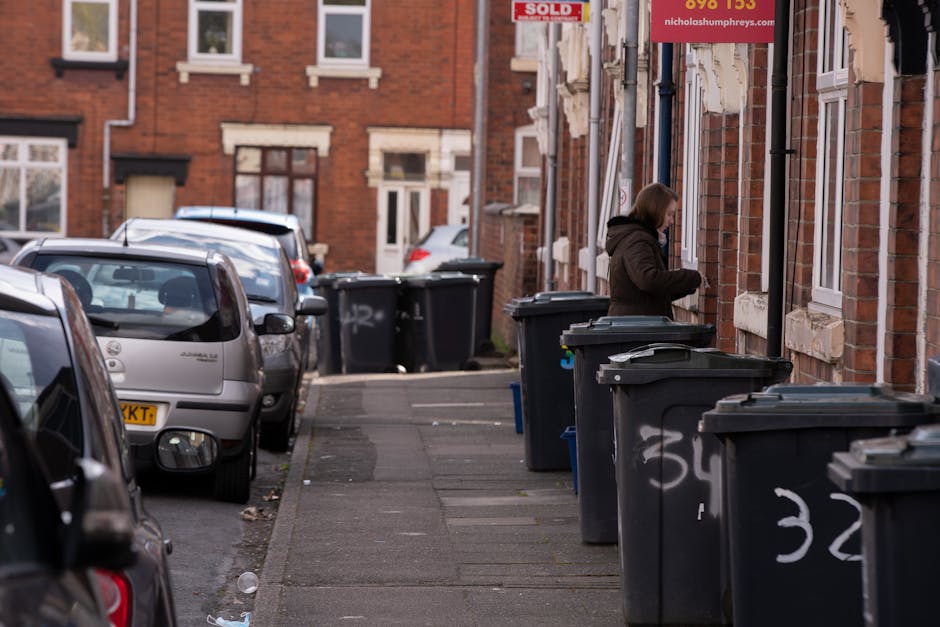
RG1 is a busy part of Reading, with a mix of town-centre flats, terraces, converted houses, student lets, small offices, and older properties where access can be tight. That mix makes rubbish removal pricing a little more complicated than it first appears. A quote that looks competitive at first glance can change once the team sees stairs, parking restrictions, bagged waste that needs carrying by hand, or a last-minute need for extra labour.
Hidden rubbish fees matter for a few simple reasons. First, they affect your budget. Second, they make comparisons meaningless if one quote is all-in and another is full of add-ons. Third, they can create friction on the day of collection, especially if the crew arrives expecting one thing and finds another. Nobody wants that awkward pause where everyone stands in the hallway trying to work out who pays for what. Not ideal.
For landlords, letting agents, and business owners, the stakes are a bit higher. A small charge can turn into repeated costs if the same issue keeps popping up. For example, a basement flat in central Reading may need more manual carrying than a driveway property on the edge of town. That difference should be reflected clearly, not buried in the small print.
If you've already been burned once, you'll probably be extra careful next time. Sensible. Most people only need one surprise invoice to become very alert readers of terms and conditions.
How Spot hidden rubbish fees for RG1 properties in Reading Works
The process is less about "detecting" fees after the fact and more about identifying them before you agree to anything. Good rubbish clearance pricing should be understandable. If it isn't, ask more questions. Simple as that.
In practice, hidden fees usually appear in a handful of places:
- Access charges for difficult entry points, stairs, or long carries from the property to the vehicle.
- Load-based adjustments if the volume of rubbish is larger than first described.
- Labour supplements where extra people or extra time are needed.
- Waiting time if the crew cannot start immediately because of delays.
- Special item charges for awkward, heavy, or restricted waste types.
- Parking or congestion issues if a vehicle cannot park close enough to load efficiently.
- Disposal fees if the waste mix was not described accurately at booking.
The best way to spot these fees is to compare the wording, not just the headline price. A lower quote can be worse value if it excludes common extras. On the other hand, a slightly higher quote that includes labour, disposal, and access assumptions may be better all round.
One useful habit is to describe the job as if you were handing it to a stranger. Mention the floor level, whether there's a lift, whether parking is outside or on a busy street, whether items are downstairs or in a garden, and whether the rubbish is loose, bagged, or bulky. In RG1, those details really do matter.
Key Benefits and Practical Advantages
When you know how to spot hidden rubbish fees, the benefits go beyond saving a few pounds. It changes how confidently you can book a clearance service in Reading.
- Cleaner comparisons - you can compare like with like rather than guessing what the quote actually includes.
- Fewer disputes - clear expectations reduce awkward conversations on collection day.
- Better budgeting - landlords and homeowners can plan properly instead of absorbing surprise costs.
- Less stress - you know what might trigger a fee before the crew arrives.
- More suitable service choice - you can decide whether a removal team, house clearance, or specialist waste option fits best.
There's also a practical side people often forget: transparency helps with timing. If a crew knows the job details upfront, the collection is usually smoother. That matters in busy RG1 streets where parking is tight and everyone seems to need the same patch of road at the same time.
And yes, it can also stop the classic "I thought that was included" moment. We've all had one of those. It's rarely fun.
Expert summary: The strongest protection against hidden rubbish fees is not haggling harder after the quote arrives. It is getting a precise, written, easy-to-understand estimate before the job starts.
Who This Is For and When It Makes Sense
This guidance is useful for anyone dealing with rubbish removal in RG1, but some people will feel the benefit immediately.
Homeowners and flat owners
If you are clearing a spare room, loft, garage, or old furniture before a move, fee surprises are common when volume is underestimated. Flats can be especially tricky because stairs, communal entrances, or limited parking can affect the final cost.
Landlords and letting agents
End-of-tenancy clearances often run on tight schedules. If a tenant leaves more waste than expected, a vague quote can become expensive fast. Clear pricing is especially useful when multiple properties need attention across the month.
Students and sharers
RG1 has plenty of shared homes and student accommodation. The waste is often mixed: bags, boxes, broken furniture, bits of flat-pack packaging, and the odd mystery chair that nobody admits to owning. If you're booking on behalf of a house share, be extra careful with volume estimates.
Small businesses and offices
Office clearances can involve desks, chairs, filing cabinets, cardboard, and general waste. Costs can shift if access is poor or if the team discovers more material than expected. If you want predictable billing, ask for the pricing basis before confirming. For larger commercial jobs, you may also find it helpful to review business waste removal options in advance.
People handling one-off big clearouts
Maybe it's a bereavement clear-out, a renovation, or a long-overdue declutter. These jobs often involve emotion as much as waste. The last thing you need is a fee that appears halfway through the process because one room turned out to contain far more than expected.
Step-by-Step Guidance
Here's a practical way to spot hidden rubbish fees before they catch you out.
- List the waste clearly. Write down what needs removing: furniture, bagged waste, cardboard, white goods, garden cuttings, renovation debris, or mixed household rubbish.
- Describe access in detail. Mention floor level, stairs, lift access, alleyways, gated entry, parking restrictions, and how far items must be carried.
- Ask what the quote includes. Check whether labour, disposal, fuel, parking, VAT if applicable, and loading time are included.
- Ask what can trigger extra charges. The exact wording matters. A fair provider should explain this plainly.
- Request a written quote or confirmation. Even a short written summary is better than a vague verbal estimate.
- Match the quote against the actual job. If the collection changes, tell the provider before the day of clearance.
- Check the payment terms. Understand when payment is due and what happens if the job changes on arrival.
- Keep a record. Save messages, photographs, and the original description. That's often enough to resolve most misunderstandings.
A simple example: if you say "a few bags and a sofa" but the property actually contains six bags, a wardrobe, a mattress, a bike frame, and two boxes of mixed junk from the loft, the quote may not hold. That's not a scam. It's a mismatch. The trick is catching that gap early.
To be fair, good providers usually welcome clear information because it helps them give a better price. If they seem vague, that is its own warning sign.
Expert Tips for Better Results
Once you've done a few clearances, the patterns become obvious. Still, some small habits make a big difference.
- Use photos, not just descriptions. A quick set of images is often the easiest way to reduce pricing confusion.
- Note awkward items separately. Mattresses, fridges, heavy wardrobes, and builders' waste often need special handling.
- Be honest about access. If the vehicle cannot park close by, say so. It saves everyone time.
- Ask about minimum charges. A small job can still have a minimum call-out or load charge.
- Check whether rubbish removal is by load, time, or item. The pricing model shapes the final bill.
- Look for consistency in wording. Good providers explain the same thing the same way across the quote, booking, and confirmation.
One small but useful habit is to ask, "What would make this price change?" It sounds almost too simple, but it draws out the hidden bits very quickly. And yes, sometimes the answer is more revealing than the original quote.
If your property is in an older RG1 terrace or a narrow-street location, it can also help to check access early in the day. Morning light often shows the real situation better than a rushed evening glance when the bins are out and everyone's trying to get home.
Common Mistakes to Avoid
A lot of people only focus on the headline price. That's the biggest mistake, but there are a few others worth calling out.
- Assuming "all-inclusive" actually means all-inclusive. Ask what the provider defines as included.
- Underestimating volume. A few extra bags can change the price more than you'd think.
- Forgetting about access. Stairs, tight hallways, and limited parking can matter as much as the rubbish itself.
- Not separating special items. Certain items may be priced differently because they require separate handling.
- Leaving questions until collection day. By then, the quote may already be based on the initial description.
- Choosing only by speed. Same-day service is handy, but speed alone should not override clarity.
Another common slip is not checking whether the job is a straight rubbish removal or a broader clearance. For example, a full flat clearance may include sorting, lifting, removal, and disposal, while a simple waste collection may not. They sound similar. They are not the same thing, and that distinction can show up in the price.
Tools, Resources and Recommendations
You do not need fancy software to avoid hidden rubbish charges. A few simple tools and habits are enough.
- Phone photos - probably the most useful tool of all. Take wide shots and close-ups.
- Room-by-room notes - jot down what is in each space, especially lofts, garages, and sheds.
- Basic measuring - if you have bulky furniture, rough dimensions help a lot.
- Quote comparison list - compare what is included, not just the total price.
- Calendar reminders - useful if you need to move items ahead of collection day.
If you want to understand the wider service categories before booking, it can help to look at pages such as waste removal, home clearance, and flat clearance. Those pages can give you a better feel for what type of job you actually need.
For people dealing with larger domestic clearouts, the related guides on house clearance and garage clearance can also be helpful. In our experience, half the confusion disappears once the job type is defined properly.
If sustainability matters to you, it is also worth thinking about recycling and re-use from the start. A lot of mixed waste can be separated more intelligently when the job is planned well. You can review recycling and sustainability guidance to understand that side a bit better.
Law, Compliance, Standards, or Best Practice
Rubbish removal is not just about convenience. There are legal and practical responsibilities involved, particularly around waste handling, disposal, and duty of care. Without getting tangled in technical language, the key point is this: waste should be collected, transported, and disposed of responsibly, and customers should be clear about what they are paying for.
Best practice usually includes clear descriptions of waste type, a written or recorded quote, transparent pricing terms, and proper handling of items that need special care. If a provider cannot explain how charges are calculated, that is not a great sign.
For householders in RG1, it is also wise to be careful with anything that could be classified as hazardous, electrical, sharp, contaminated, or otherwise restricted. You do not want a surprise disposal fee, but you also do not want an item handled incorrectly just because it was cheaper on the day.
From a customer-protection angle, a few things are especially sensible:
- ask for a clear breakdown before agreeing to the job;
- check whether the quote assumes easy access and standard waste only;
- confirm how changes to the load are handled;
- keep your booking messages and photos;
- make sure the service provider's policies are easy to find and understand.
It is also reasonable to review a provider's insurance and safety information, along with their health and safety policy, especially for larger clearances or awkward access. That does not just protect the company. It protects you too.
Options, Methods, or Comparison Table
Different booking approaches can change how likely you are to face hidden fees. Here is a simple comparison to help you decide what suits your situation.
| Method | Best for | Pros | Potential hidden fee risk |
|---|---|---|---|
| Photo-based quote | Mixed household rubbish, furniture, and general clearouts | Clearer pricing, easier to compare, quick to arrange | Low if photos are accurate |
| Telephone estimate only | Simple jobs with very limited waste | Fast and convenient | Medium to high if details are vague |
| On-site assessment | Large or complicated properties | Best for accuracy, good for access issues | Low if scope is agreed before work starts |
| Price-per-load booking | Bulkier clearouts with straightforward access | Easy to understand in principle | Medium if load size is disputed |
| Itemised clearance | Furniture, specialist pieces, and clearly separated waste | Transparent for specific items | Low to medium depending on item condition and access |
In RG1, photo-based quoting is often a smart middle ground. It gives enough detail to avoid guesswork without slowing everything down. For awkward spaces, though, an on-site look can still be the safest route. If your property has narrow access, you may also find some practical detail in narrow alley rubbish removal access tips for Reading terraces.
Case Study or Real-World Example
Here's a realistic example from the sort of job people in RG1 book all the time.
A resident in a first-floor flat near the town centre needed a sofa removed, plus eight bags of mixed clutter and a broken desk. The first quote looked attractive, but it was based on "easy access" and "standard loading". Once the provider asked follow-up questions, it turned out the flat had no lift, parking was restricted, and the sofa would need to be carried down two narrow flights of stairs. Not impossible, just more work than the original description suggested.
The customer sent a few photos, updated the description, and got a revised quote before the day of collection. No drama. No surprise charge. The price changed a little, yes, but it changed before anyone turned up with a van and a van-load of expectations.
The useful lesson is not that fees are always avoidable. Some jobs genuinely cost more because they are more difficult. The real win is knowing the difference between a fair adjustment and a hidden add-on. Once you can spot that distinction, you start booking with much more confidence.
If you are dealing with a similar situation in a town-centre or student-heavy part of Reading, the article on rubbish removal in the RG1 area for homes may also give you a better local picture.
Practical Checklist
Use this before you confirm any rubbish removal booking in RG1.
- Have I listed everything that needs removing?
- Have I included photos of the main items and the access route?
- Have I mentioned stairs, lifts, parking, or long carrying distances?
- Do I know whether the quote includes labour and disposal?
- Have I asked what counts as an extra charge?
- Have I checked if any items need special handling?
- Is the quote written clearly enough to compare with another provider?
- Have I confirmed the payment terms and timing?
- Do I know what will happen if the job turns out bigger than expected?
- Have I kept a copy of the message trail or booking note?
If you tick most of those boxes, you are already ahead of the game. Honestly, a lot of hidden-fee headaches come from skipping just one or two of them.
Conclusion
Spotting hidden rubbish fees for RG1 properties in Reading is really about careful preparation, clear language, and not rushing the booking. The more exact you are about the waste, the access, and the type of clearance you need, the less likely you are to get caught by surprise. That is true whether you are clearing a compact flat, a family home, a student house, or a small office.
Keep the focus on what is included, ask what could change the price, and choose providers who explain things plainly. You do not need to become a pricing detective. Just a bit more curious than the average person on first glance.
Get a free quote today and see how much you can save.
If you want to take the next sensible step, browse the relevant service pages, gather a few photos, and compare quotes with a clear head. Small effort now. Much less hassle later. And that's usually worth it.
Frequently Asked Questions
What are hidden rubbish fees in RG1 property clearances?
They are extra charges that are not obvious at first glance, such as access fees, labour supplements, waiting time, or disposal adjustments. The main clue is usually vague wording in the quote.
How can I tell if a rubbish removal quote is really all-inclusive?
Ask what the price includes and what would trigger a change. A proper all-inclusive quote should be clear about labour, disposal, access assumptions, and any exclusions.
Do flats in Reading RG1 usually cost more to clear than houses?
They can, especially if there are stairs, no lift, limited parking, or a long carry to the vehicle. Not always, but access often changes the price more than people expect.
What details should I send before asking for a quote?
Send photos, floor level, access notes, item types, and any awkward bits like narrow staircases or alleyways. The more accurate the description, the less chance of a surprise later.
Can rubbish fees change on the day of collection?
Yes, if the actual job is bigger, heavier, or harder to access than described. That is why written confirmation and accurate details matter so much.
Is same-day rubbish removal more likely to have hidden charges?
It can be, if the booking is rushed and details are incomplete. Same-day service itself is not the problem; unclear information is.
What types of waste are most likely to cause extra costs?
Bulky furniture, mattresses, electrical items, heavy bags, builder's waste, and mixed loads often need more time or different handling, so they are common sources of added cost.
How do I compare two rubbish removal quotes properly?
Compare what each quote includes, not just the final number. Check labour, disposal, access assumptions, and any likely extras before choosing.
Should I worry about parking issues in central Reading?
Yes, because limited parking can affect loading time and access. If a van cannot stop close to the property, the job may take longer and cost more.
Are written quotes better than phone estimates?
Usually yes. Written quotes give you something to check against later, and they reduce confusion if there is any disagreement about what was agreed.
What if I only have a few bags of rubbish?
Even small jobs can have a minimum charge or a call-out cost. That is normal, so it still helps to ask what the minimum price includes.
How can I avoid disputes over rubbish removal prices?
Be clear upfront, send photos, ask what could change the price, and keep a record of the quote. Most disputes come from mismatched expectations, not from the removal itself.
Where can I learn more about local rubbish removal options in Reading?
It helps to read local service pages and guides on clearance types, access issues, and pricing expectations. Start with the relevant pages for your property type and compare them carefully.