Same day rubbish collection delays common problems in Reading
If you have ever booked a same day rubbish collection in Reading and then found yourself waiting by the window longer than expected, you are not alone. Delays happen for a mix of very ordinary reasons: traffic, access issues, overfilled vans, last-minute job changes, or waste that turned out to be bigger than it first looked. The good news is that most delays are predictable once you know what causes them. This guide breaks down the common problems, what they mean in practice, and how to avoid the usual headaches without turning the whole day into a mess.
Whether you are clearing a flat near the town centre, getting rid of old furniture, or sorting a quick office pickup, same day rubbish collection should feel simple. In reality, it often runs into little snags that can throw the schedule off. Let's be fair, the awkward part is not just the delay itself; it is the uncertainty. So below, we'll cover the real-world reasons these delays happen in Reading, how a collection usually works, and what you can do to keep things moving.
Why Same day rubbish collection delays common problems in Reading Matters
Same day rubbish collection is often booked for one reason: time pressure. You might be moving house, finishing a refurbishment, dealing with a landlord inspection, or trying to make a space usable again before the weekend. When the collection is delayed, the knock-on effect can be bigger than most people expect. A missed pickup can hold up cleaners, decorators, tradespeople, or simply your own plans for the day.
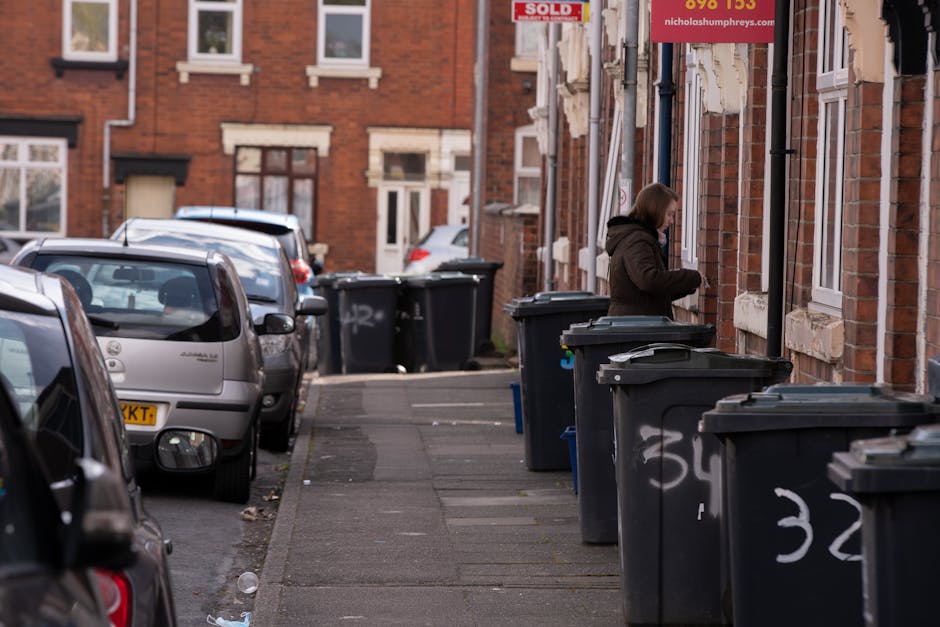
In Reading, the pressure can be even sharper because many collections are tied to busy streets, parking limits, apartment access, and narrow time windows. A five-minute delay can become a twenty-minute delay if the driver has to circle for parking, wait for a lift, or call for access instructions. That is why understanding the common problems matters. It helps you separate normal operational delay from a preventable issue.
There is also a trust angle here. If a provider promises a swift turnaround, you want to know what that promise actually means. Same day does not always mean instant. More often, it means scheduled within the working day, subject to route, load, and access. A realistic expectation saves a lot of frustration later.
Expert summary: the most common rubbish collection delays in Reading are usually not caused by one big failure. They are usually the sum of small issues: unclear access, underestimated volume, parking problems, or schedule pressure. Fix those early, and the job gets much easier.
If you are comparing service options, it can help to understand the wider range of clearance services too, such as waste removal for general items, house clearance for larger domestic jobs, or furniture disposal when bulky items are the main problem.
How Same day rubbish collection delays common problems in Reading Works
At a practical level, same day rubbish collection works on a fast-response model. You make an enquiry, describe the waste, agree the access details, and the team tries to fit you into the day. Simple enough. The catch is that same day work depends on accurate information. If the estimate is off, the schedule can slip.
Most delays fall into a few familiar patterns:
- Unexpected volume: the pile is larger than it looked in photos or over the phone.
- Access delays: no one is on site, the gate code is wrong, or a flat is harder to reach than expected.
- Parking and loading issues: the vehicle cannot stop nearby, so the crew has to work slowly and carefully.
- Route changes: an earlier job overran, or traffic pushed the van behind schedule.
- Sorting issues: mixed waste, heavy items, or awkward materials need extra handling.
That last point is often overlooked. A collection of mixed rubbish is not the same as a neat pile of black bags. If there are mattresses, broken wardrobes, builders' rubble, garden waste, and loose household rubbish all together, the crew may need more time to separate and load it safely. That is not necessarily a bad sign. It is just the job being a bit more involved than expected.
For bigger or more complex clearances, the job can overlap with services like builders waste clearance, garden clearance, or garage clearance. Each one brings its own timing quirks, especially when access is tight or the waste is heavy.
A small but important detail: good providers usually build a bit of flexibility into the day. That does not mean they are careless. It means they know that same day work, by nature, has moving parts. If the team is straight with you about a time window rather than a hard minute-by-minute promise, that is often a more honest sign than a too-perfect guarantee.
Key Benefits and Practical Advantages
When same day collection runs well, it is genuinely useful. The value is not just speed for the sake of speed. It is about removing friction from a day that would otherwise stay blocked.
- Quicker space recovery: rooms, driveways, and work areas become usable again sooner.
- Less clutter stress: you are not staring at waste for another day or two.
- Better project flow: decorators, tenants, landlords, or trades can continue without waiting.
- Reduced handling by you: no need to keep shifting items around the property.
- Cleaner handovers: useful for moves, end-of-tenancy jobs, and commercial clear-outs.
There is also a quieter benefit: less disruption to the rest of the household or business. Anyone who has tried to live around a half-cleared hallway or a front drive full of broken furniture knows how much mental space that clutter can take up. It is oddly draining.
Same day collection can be especially handy when paired with services such as flat clearance, home clearance, or office clearance. Those jobs often carry a deadline, and a delay can be more than an inconvenience. It can mean an extra day of access fees, labour waiting time, or a missed handover.
Who This Is For and When It Makes Sense
This kind of service is not only for emergency clear-outs. In fact, it makes sense in a wider range of situations than people expect.
- Homeowners dealing with bulky rubbish after a clear-out, repair, or sale prep.
- Tenants needing a fast removal before checkout or moving day.
- Landlords managing end-of-tenancy leftovers.
- Businesses clearing stock, office furniture, packaging, or old equipment.
- Tradespeople wanting building debris removed quickly so they can finish the job.
- People with limited time who simply cannot wait around for a traditional booking slot.
It also suits situations where the waste is annoying but not enormous. Think: a broken wardrobe, a few bags after a loft sort-out, or the leftover mess after a garden tidy. Not every job needs a full-scale clearance. Sometimes a focused, same day pickup is the smartest route.
If you are dealing with a lot of household clutter, services like house clearance or loft clearance may be a better fit than a simple one-off collection. The trick is matching the service to the actual problem, not the other way round.
Truth be told, the people who benefit most are usually the ones who need certainty more than they need the cheapest option. A reliable window is worth a lot when the rest of the day is already packed.
Step-by-Step Guidance
If you want to reduce the chance of delay, a little preparation goes a long way. The process below is straightforward, but the details matter.
- List the waste clearly. Note the item types, rough volume, and whether anything is unusually heavy or awkward.
- Take honest photos. Wide shots help far more than close-ups. Include access points if possible.
- Check access and parking. Can a van stop nearby? Is there a lift? Is there a gate code or buzz entry?
- Explain timing constraints. If you have a moving van, cleaner, or tradesperson arriving later, say so up front.
- Ask how the collection window works. A realistic window is often better than an over-tight promise.
- Prepare the waste in one place. Keep it grouped together where safe and practical.
- Keep your phone nearby. If the crew is delayed by traffic or parking, quick contact helps.
One small but useful habit: place the most obvious items nearest the access point if you can do so safely. That sounds simple, but it can save a surprising amount of time on the day. If your hallway is narrow or you live in a top-floor flat, a few extra minutes of prep can prevent a lot of awkward lifting.
For business waste or shared-building jobs, it may be worth looking at business waste removal or even office clearance if desks, chairs, or filing items are involved. Those settings tend to need tighter timing and clearer communication.
Expert Tips for Better Results
Here is where experience really helps. Most delays can be softened, if not avoided, with a few practical habits.
- Be precise about access: "rear alley behind the kitchen" is more useful than "easy access".
- Separate the likely problem items: mattresses, fridges, rubble, or mixed construction waste often need different handling.
- Give one person ownership: one contact number, one decision-maker, one person who knows the site.
- Do not hide extra items: adding a second pile at the last minute is a classic way to slow things down.
- Ask about timing buffers: if the team says "morning" or "later today", that is usually more realistic than a fixed minute.
Another good habit is to think in terms of loading time, not just arrival time. A van can arrive on time and still finish later than planned if the waste is stacked badly or if items need dismantling. That is not always avoidable, but it can be managed.
If you are dealing with bulky items, a service like furniture clearance may be more suitable than trying to describe the job as general rubbish. Likewise, for old household items that are no longer usable, furniture disposal can be a more accurate fit. Accuracy helps everyone. Boring, but true.
And yes, a small amount of tidying before the crew arrives can make a real difference. No need to stage the place like a magazine spread. Just make the job visible and accessible.
Common Mistakes to Avoid
Many delays are not really the provider's fault alone. They happen because the job was described too loosely or prepared too late. That is easy to do, by the way, especially when you are rushed.
- Underestimating the amount of rubbish: one pile in the corner often turns into three once the job starts.
- Leaving access details vague: no lift code, no parking note, no one waiting to open the gate.
- Mixing different waste types together: garden waste, builders' waste, and household items all in one heap can complicate the load.
- Assuming same day means exact-hour arrival: it usually does not.
- Booking too late in the day: if you need certainty, earlier is often safer.
Another common mistake is forgetting the practical follow-on tasks. If rubbish is being removed before a photo shoot, property check, or trade visit, leave a little buffer. Ten minutes here or there sounds tiny, but it is the difference between calm and chaos. And nobody needs more chaos.
For bigger outside jobs, garden clearance and garage clearance are worth considering if the waste has gathered in awkward spaces. Those areas often hide the true volume until the last minute.
Tools, Resources and Recommendations
You do not need special equipment to prepare for a same day rubbish collection, but a few simple tools help:
- a phone camera for photos
- a tape measure if the items are large
- bin bags or boxes for loose small waste
- basic gloves for safe handling
- a notepad or phone note with access instructions
In terms of choosing the right service, a sensible approach is to start with the job type rather than the deadline. If the waste is mainly domestic clutter, a home-focused service may fit better. If the site is commercial, business waste is the better route. If you are not sure, browsing pages such as pricing and quotes and about us can help you understand how the service is positioned and what you should expect.
For environmentally aware readers, the page on recycling and sustainability is also useful. It is worth remembering that rubbish collection is not just about taking things away. Good waste handling should also think about reuse, recycling, and responsible sorting where possible.
If you are comparing providers, look for straightforward communication, clear scope, and a willingness to explain what can and cannot be taken on the day. That simple conversation tells you more than a flashy promise ever will.
Law, Compliance, Standards, or Best Practice
Waste collection in the UK sits within a framework of legal and practical responsibilities, even if most customers only notice the bits that affect timing. You do not need to become a compliance expert, but it helps to know the basics.
As a customer, you should expect the waste carrier to operate responsibly and to handle waste in line with applicable UK rules and good practice. You should also be careful not to hand over waste to anyone who cannot clearly explain what they do. That is especially important if the job seems unusually cheap or the process feels rushed.
From a best-practice point of view, a reliable same day service should do a few things well:
- give a realistic arrival window
- explain any extra charges or limitations before the job
- handle waste safely during lifting and loading
- avoid blocking neighbours, shared entrances, or fire exits
- treat mixed waste carefully rather than guessing on the spot
Safety matters too. Heavy lifting, broken items, sharp edges, and awkward stairwells are all part of the job. A good provider should have sensible safety processes in place. If you want more reassurance on that side, the pages on health and safety policy and insurance and safety are helpful signals that the business takes those responsibilities seriously.
And one more practical note: if you are booking for a workplace, you may need to consider site rules, building access, and business continuity. A quick call or message before the visit can prevent a lot of delay. Properly done, it is all very ordinary. Which is reassuring, really.
Options, Methods, or Comparison Table
There is more than one way to solve a waste problem, and the best choice depends on speed, volume, and how much work you want to do yourself.
| Option | Best for | Pros | Possible drawback |
|---|---|---|---|
| Same day rubbish collection | Urgent, straightforward jobs | Fast turnaround, less disruption, minimal waiting | Time windows can shift if access or volume changes |
| Pre-booked collection | Jobs with flexible timing | Usually easier to plan around, often less pressure | Not ideal if the waste is blocking the space right now |
| Self-loading and disposal | Very small volumes and available transport | Direct control over timing | Time-consuming, physical effort, and you handle the logistics |
| Specialist clearance service | Bulky, mixed, or complex waste | Better suited to tricky items and larger jobs | May need more detail upfront to avoid delay |
If the waste is mostly domestic and bulky, a service like home clearance may be the most practical route. If it is tied to business premises, business waste removal usually makes more sense. It is about fit, not just speed.
Case Study or Real-World Example
Imagine a small flat in Reading where a tenant needs old furniture removed before the landlord's inventory check that afternoon. There is a sofa, a broken chair, two bags of mixed clutter, and a hallway that is a touch too narrow for easy carrying. The booking is made in the morning, but the team arrives and discovers the lift is out of service. Not ideal.
What happens next depends on preparation. If the tenant has already sent accurate photos, given the correct access code, and grouped the items near the entrance, the delay might only be modest. If not, the crew may need extra time to move carefully down the stairs, and the schedule for the rest of the day can slip. Nothing dramatic. Just the sort of thing that snowballs if nobody expected it.
In a similar job involving an office clear-out, the biggest delay often comes from internal access rather than the waste itself. Desks and chairs are straightforward enough, but if the building has loading restrictions, security sign-in rules, or a narrow service entrance, the crew spends longer getting started than customers often imagine. That is why early detail matters so much.
The lesson is simple: same day collection works best when the waste is described honestly and the access is already thought through. Not perfect, just honest. That alone saves time.
Practical Checklist
Use this quick checklist before the collection window starts.
- Have I described the waste clearly and truthfully?
- Did I share photos of the items and access point?
- Do I know where the vehicle can stop or park?
- Are gates, codes, keys, or permissions ready?
- Have I checked whether anything is especially heavy or awkward?
- Is the waste grouped in one safe, accessible place?
- Did I mention any time pressure from cleaners, movers, or tradespeople?
- Do I have my phone close in case the crew needs directions?
If you can tick most of those off, you are in a good position. It does not guarantee a perfect day, of course. But it makes a smooth same day pickup much more likely.
Get a free quote today and see how much you can save.
Conclusion
Same day rubbish collection delays in Reading are usually manageable once you understand what causes them. The main problems are rarely mysterious: access, volume, parking, and schedule pressure do most of the damage. Once you plan for those, the experience becomes much easier to control.
If you need a fast, practical solution, the smartest move is to be specific, prepare the access, and choose the right service for the type of waste. That is what keeps a quick job from turning into a long afternoon. And honestly, when the van pulls away and the space is clear, there is a real sense of relief. The room looks bigger. The day feels lighter. Simple as that.
When the timing matters, good preparation is worth more than luck.
Frequently Asked Questions
Why do same day rubbish collection jobs get delayed in Reading?
Delays usually happen because of access issues, traffic, parking problems, under-estimated waste volume, or earlier jobs overrunning. Most of these are small issues on their own, but together they can slow a collection down.
Is same day rubbish collection actually reliable?
It can be reliable, yes, but only if the waste is described accurately and the access is straightforward. Same day work has less wiggle room than a pre-booked slot, so a realistic time window matters.
What information should I give to avoid delays?
Give clear photos, item descriptions, rough volume, access details, parking notes, and any time pressure. If there is a lift, gate code, or shared entrance, mention that too.
Does bulky furniture slow down same day collection?
It can, especially if the items are heavy, hard to manoeuvre, or need dismantling. Furniture clearance and furniture disposal jobs are usually smoother when the items are grouped together and easy to reach.
What happens if the crew arrives and the waste is more than I said?
They may need extra time, a revised price, or a second visit depending on the situation. Being honest about the amount of waste from the start is the best way to avoid a surprise.
Can bad parking really delay a rubbish collection that much?
Yes, it can. If the vehicle cannot stop safely near the property, loading takes longer and the team may need to carry items further. In busy parts of Reading, this is a very common issue.
What types of jobs are best for same day collection?
Quick domestic clear-outs, single-room clearances, urgent furniture removal, and straightforward waste removal jobs are usually the best fit. Larger or more complex clearances may need a more structured booking.
Should I book same day collection for a full house clearance?
Sometimes, but not always. A full house clearance is often better planned with a proper time window, especially if there are many rooms, stairs, or mixed items. It depends on size and urgency.
How can I prepare a flat in Reading for a fast pickup?
Keep items near the entrance if it is safe, check lift or stair access, share buzz codes, and make sure someone is available to answer the phone. Flat clearance jobs often go more smoothly when access is sorted early.
Do I need to worry about safety or insurance?
You should make sure the provider handles waste safely and is clear about their responsibilities. It is sensible to look for information on safety practices before booking, especially for heavy or awkward items.
What if I need rubbish removed from a business premises?
Business waste removal or office clearance is usually the better fit. Commercial sites often have different access rules, loading restrictions, and timing pressures, so they benefit from a more organised approach.
Is cheaper always better for same day rubbish collection?
Not necessarily. A very cheap quote can hide delays, vague timing, or limited service scope. In practice, clear communication and a realistic collection window are often worth more than chasing the lowest number.